„Dimitrie Cupovski“ 13, 1000 Skopje +38923244000 ic@mchamber.mk
„Dimitrie Cupovski“ 13, 1000 Skopje +38923244000 ic@mchamber.mk
.jpg)
.jpg)
In today’s dynamic economy, the success of companies is no longer assessed solely by the profit they generate. Their long-term success increasingly depends on the level of responsibility demonstrated in their operations. In this context, environmental protection, social responsibility, and governance of value systems (ESG) are becoming essential.
ESG represents a framework that helps companies measure their impact on the environment, society, and internal governance processes. It guides companies toward sustainable operations while creating lasting value for all stakeholders.
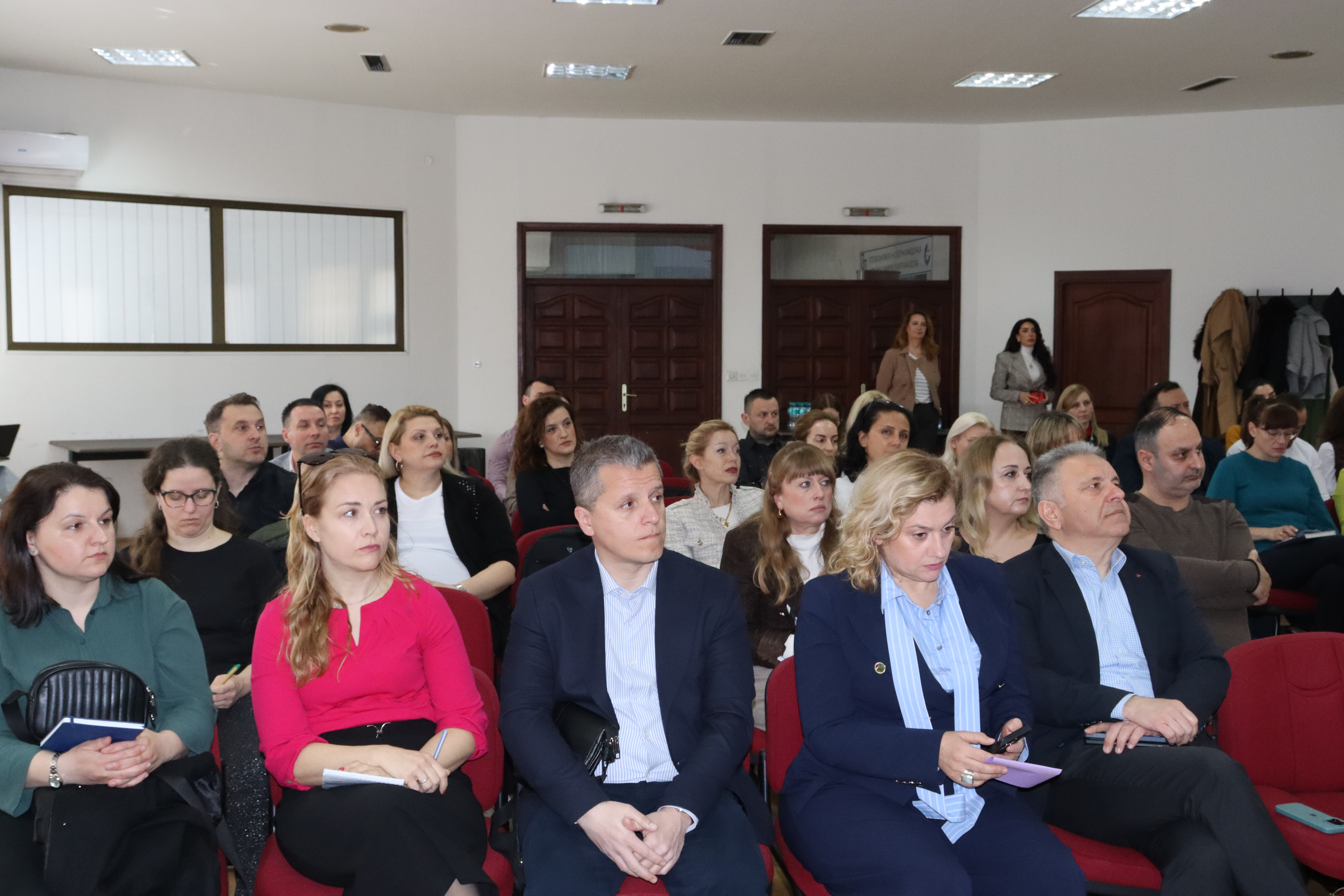
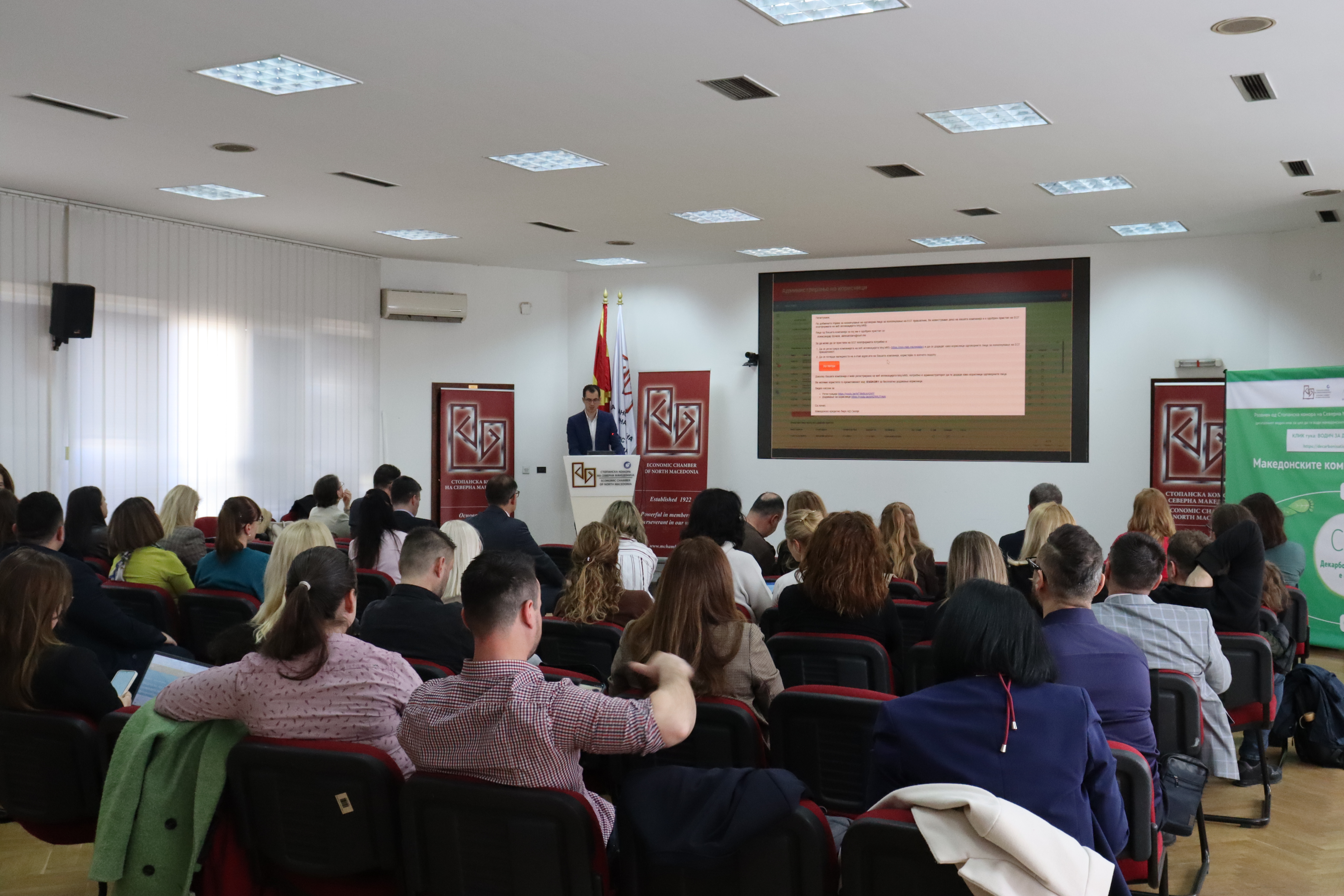
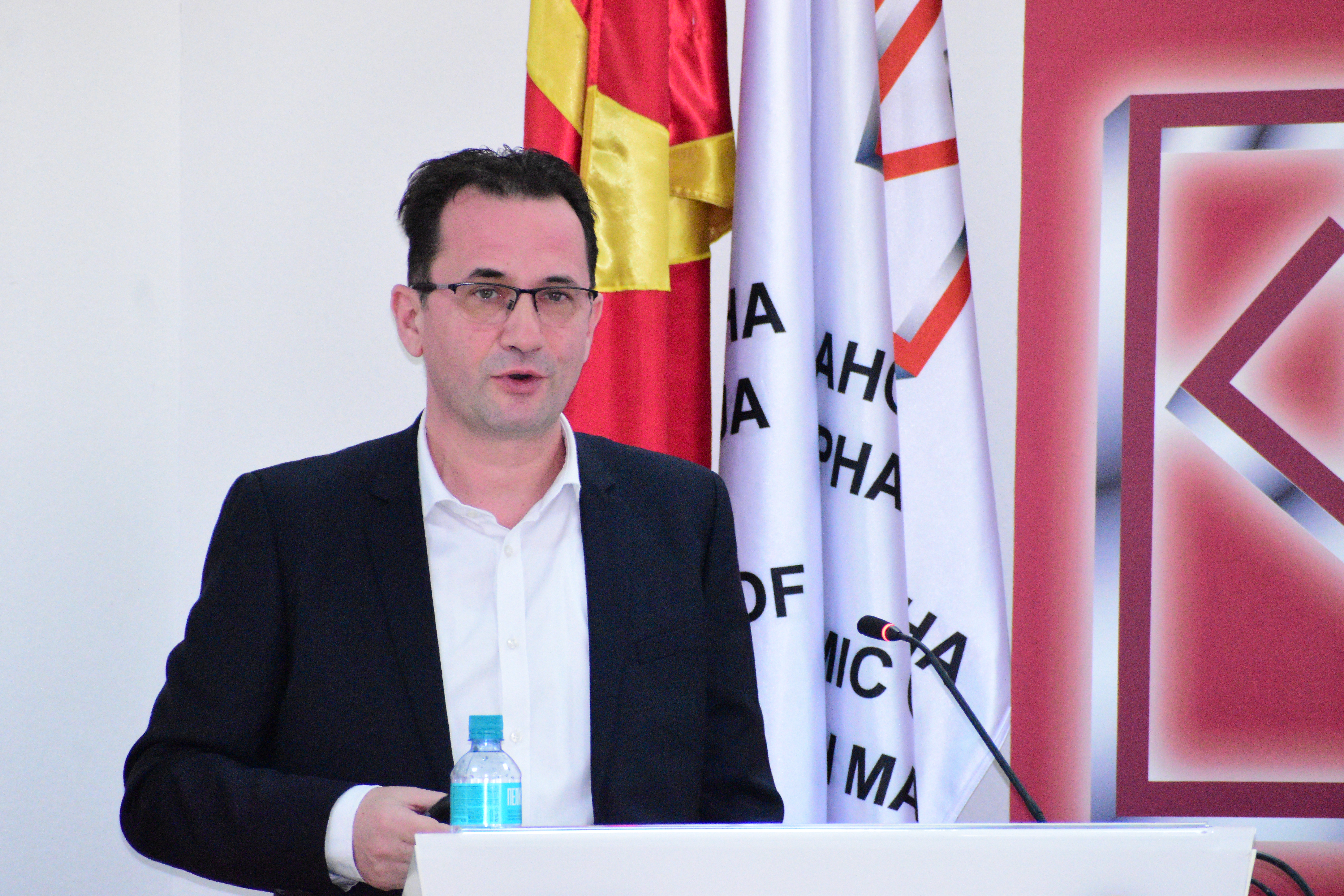
With this in mind, the Economic Chamber of North Macedonia, in cooperation with the Macedonian Banking Association (MBA), organized a workshop today dedicated to presenting and providing training on completing the new unified ESG questionnaire. The workshop was held at the premises of the Economic Chamber and forms part of the joint efforts and activities of the Chamber and the MBA to support companies in introducing sustainable business practices. The event was attended by 60 member companies of the Economic Chamber.
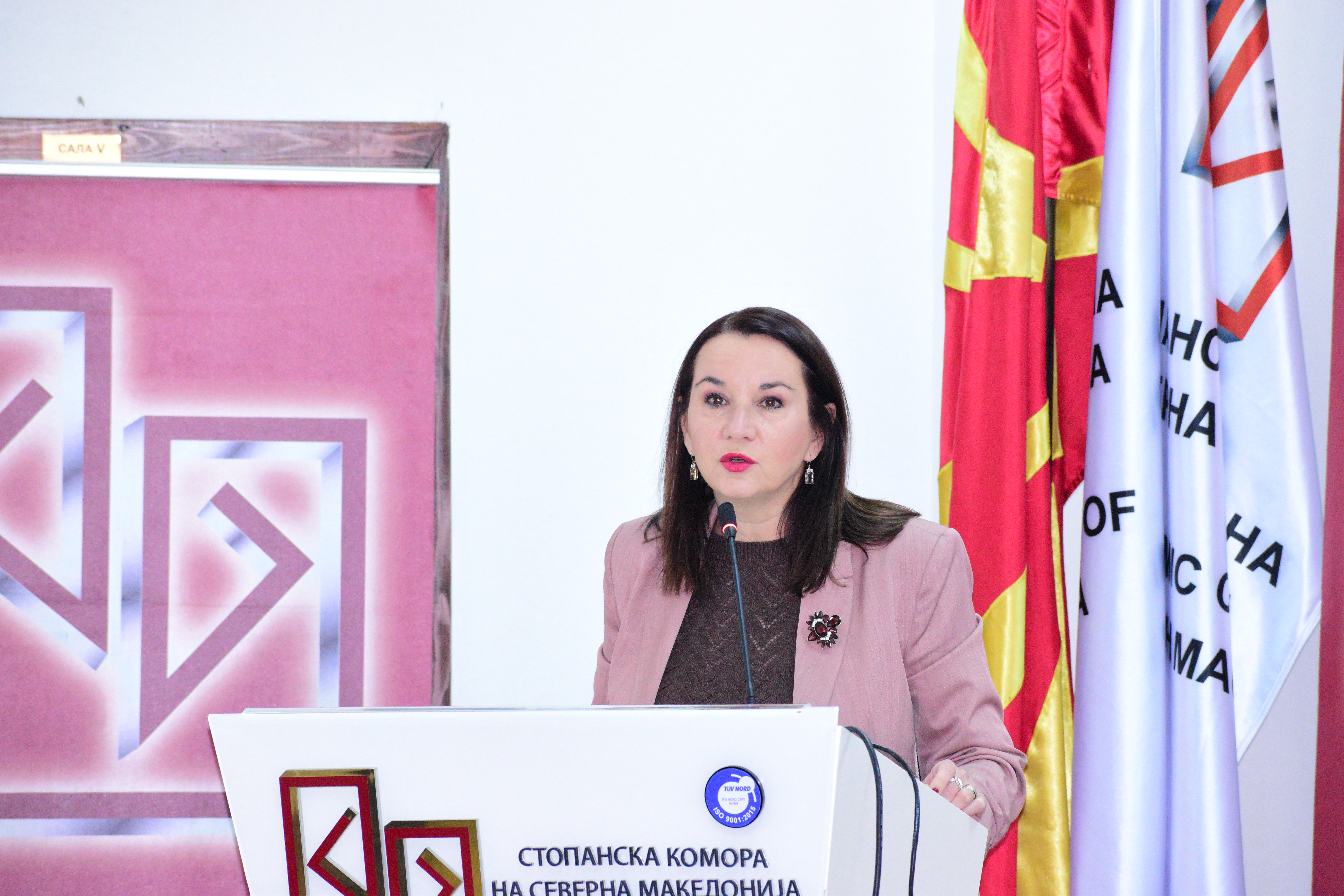
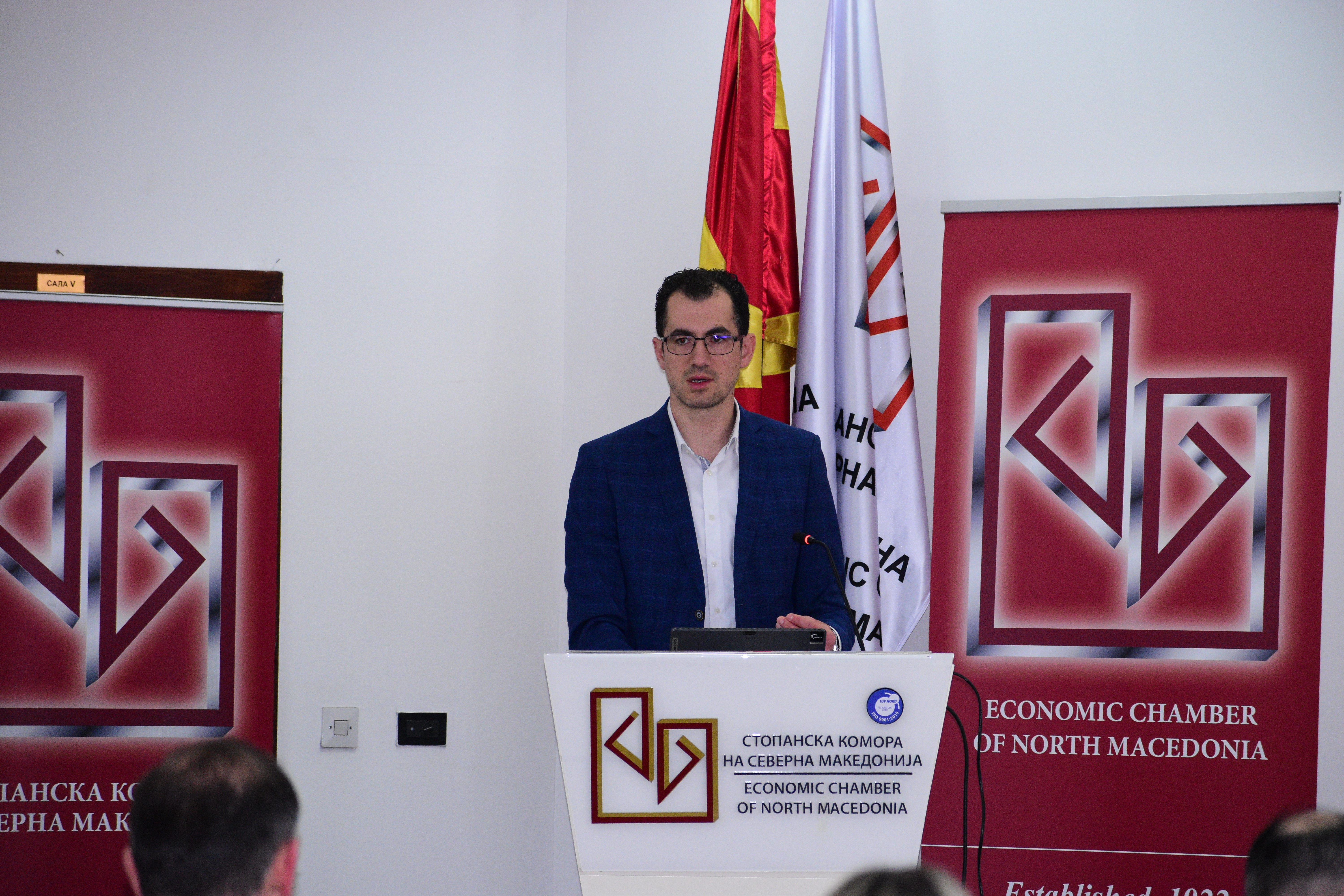
The questionnaire was prepared by the ESG Commission of the Macedonian Banking Association, with the participation of all banks and the support of relevant institutions. In her address, Dr. Maja Stevkova-Shterieva, President of the MBA, emphasized that the questionnaire represents the first unified, mandatory, and digitalized form that all legal entities in the Republic of North Macedonia will be able to use starting 1 April 2026. It has been developed based on international best practices, while being adapted to the characteristics of the Macedonian economy.
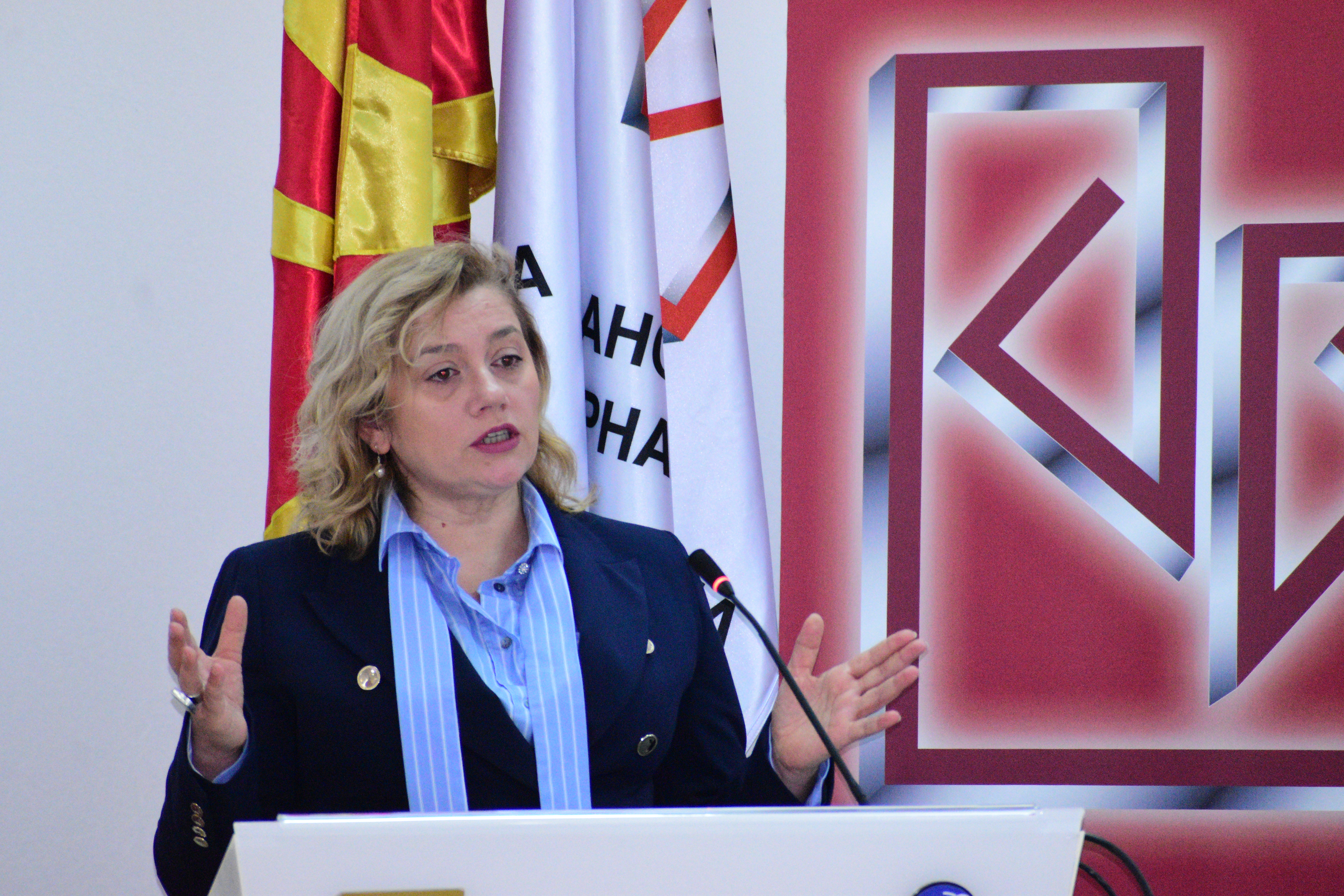
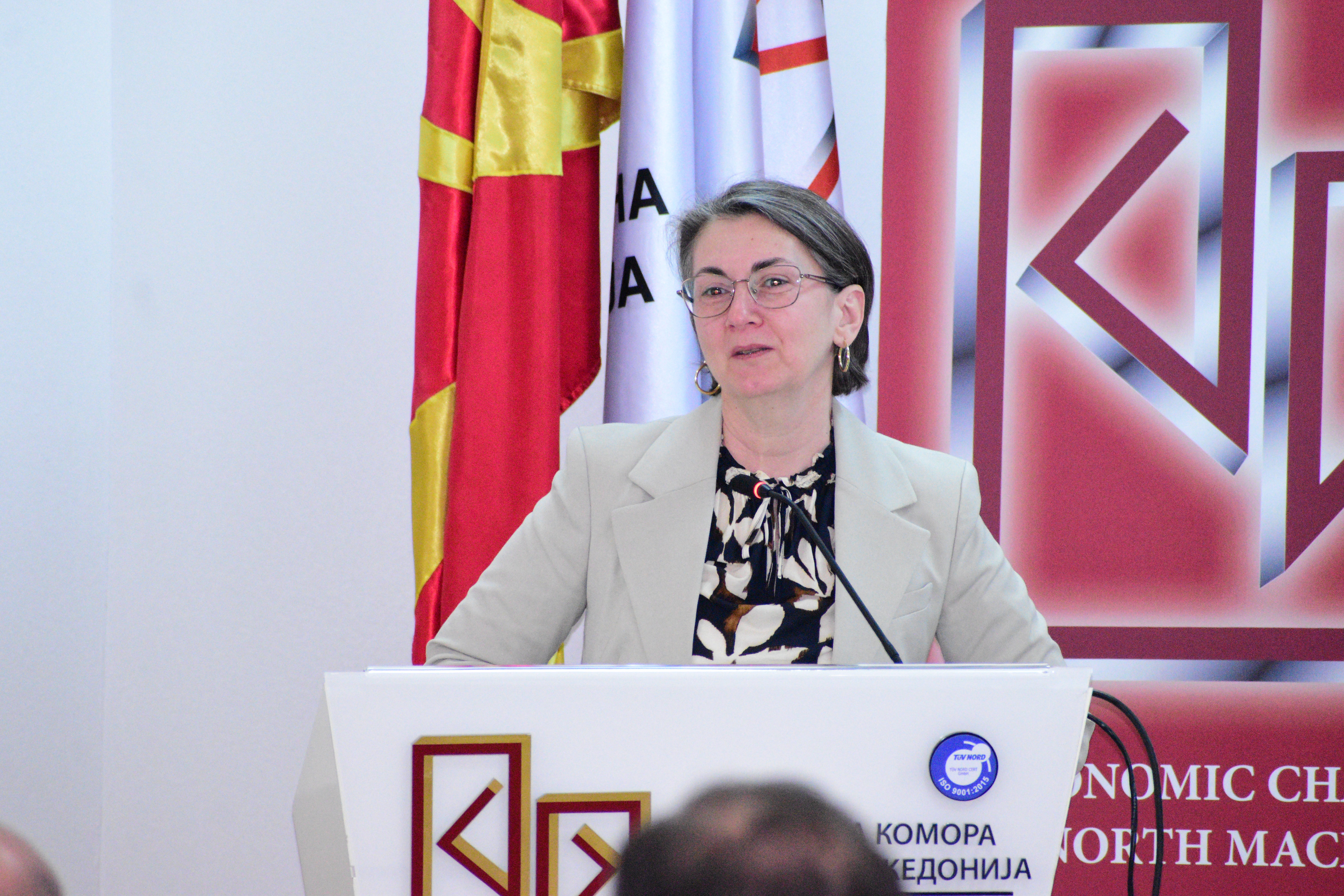
Marija Dukovska-Pavlovska, Executive Director of Makstil and President of the Circular Economy Center at the Economic Chamber, welcomed the development of the questionnaire and stressed that it contributes to achieving a higher level of transparency and accountability.
The objective of the ESG questionnaire is to provide a comprehensive overview of the efforts made by Macedonian companies in managing environmental, social, and governance factors. At the same time, by completing the questionnaire, the range of information influencing credit decisions will be expanded, while companies will be able to identify and manage ESG-related risks and opportunities.
Through the ESG questionnaire, banks will collect information regarding:
- Environmental impact of the client or transaction (carbon emissions, resource consumption, energy use);
- Social responsibility (labor practices, community engagement);
- Governance structure (board structure, policies and procedures, anti-corruption measures).
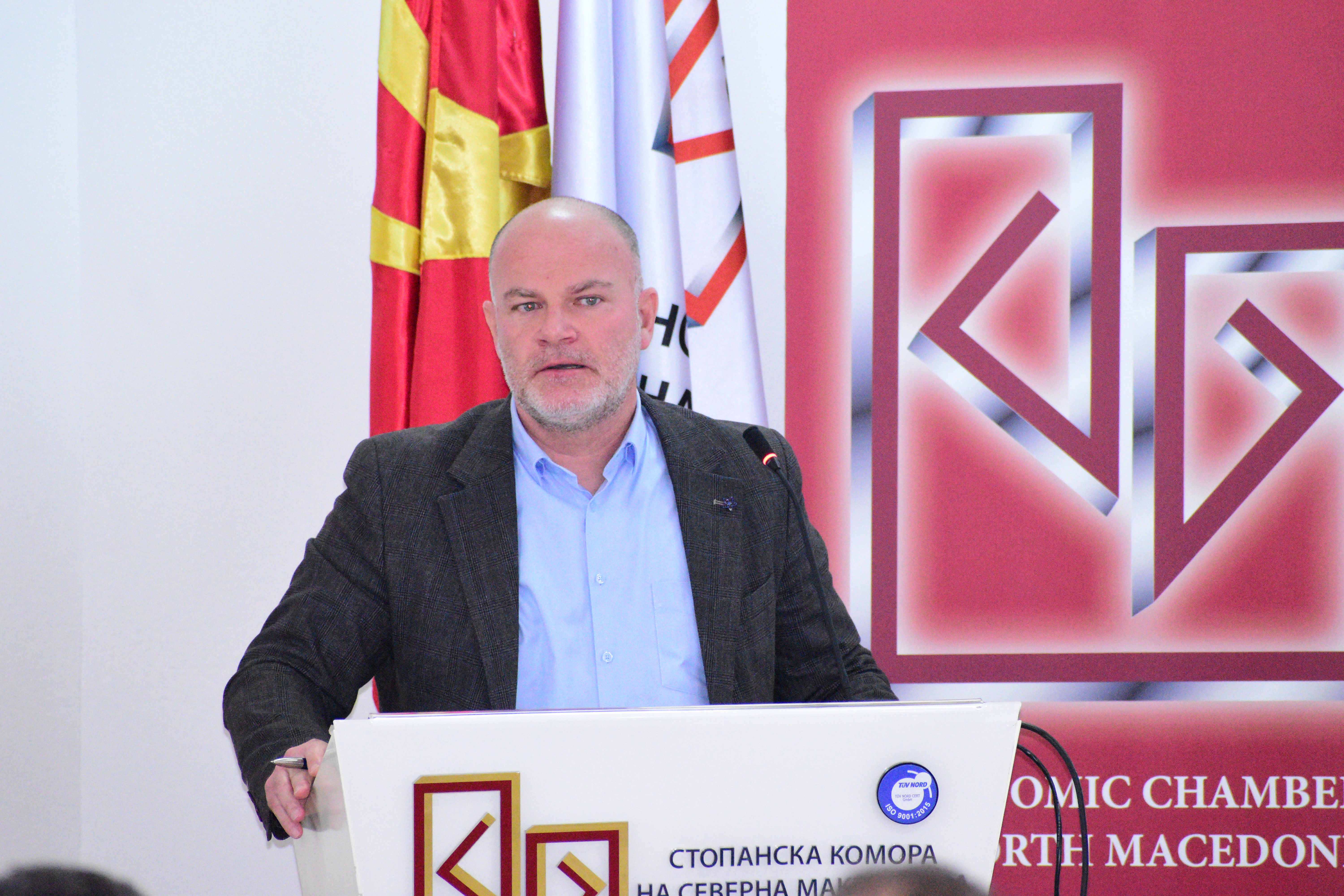
Representatives from the Macedonian companies Tikveš and Alkaloid also spoke about the importance of ESG for businesses. They emphasized that investors, regulators, and consumers increasingly expect companies to demonstrate responsibility that goes beyond financial results alone. Companies that integrate ESG principles typically build a stronger reputation, manage risks more effectively, attract stable investments, and adapt more successfully to global changes.
In short, ESG is not merely a routine obligation for non-financial reporting—it is a strategy for responsible development. Companies that embrace ESG today are laying the foundations for a more sustainable, more equitable, and more resilient economy in the future.




 Progressive Academy